
People and Participants
Investigators
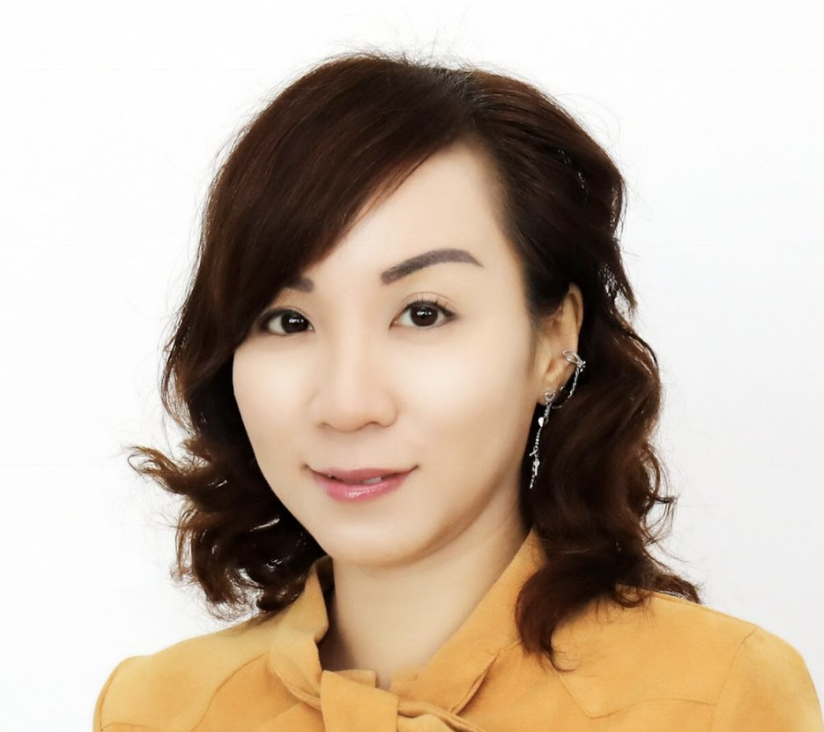
Principal Investigator
Senior Lecturer
Dr. Lisa Cheung has been actively involved in the teaching of a range of postgraduate and undergraduate English enhancement courses on academic and professional communication, and has extensive experience in developing corpus-based learning resources and their integration with classroom teaching.
As the Chair of the Publicity and Outreach Committee, she leads the team to pull together the CAES mission, strategic direction, and intended outcomes. Lisa also leads the Centre’s development project on Students as Partners, exploring unimagined possibilities of utilizing HKU students’ expertise and experience as a student to contribute equally to ‘teaching and learning process’ and ‘enhancement of teaching and learning policy or practices’.
Lisa had been the Programme Coordinator for the English courses for the Faculty of Dentistry for over 10 years. She had also served on the Faculty Board of Arts for six years.
Lisa’s main research interests include: corpus linguistics, reflective writing and English for Specific Purposes. She has a track record of success in both research publications and grant applications (a total of four completed and two on-going research funded projects). Her first co-authored book on understanding the language of dentistry is a proof of research-informed pedagogical practices in the Dentistry course that she had coordinated for over 10 years (e.g. additional course module on ‘hedging’ in response to research findings).
Selected publications include:
Crosthwaite, P. & Cheung, L. Learning the language of dentistry: Disciplinary corpora in the teaching of English for Specific Academic Purposes. Studies in Corpus Linguistics. John Benjamins.
Crosthwaite, P., Cheung, L. & Jiang, K. (2017). English in the Dentistry discipline: A learner corpus study of certainty and doubt. English for Specific Purposes, 46: 107-123.
(forthcoming). Crosthwaite, P. & Cheung, L. ESP in the community: A multidimensional comparison of learner and professional research reports from the dentistry discipline. In Aspects of specialised genres: Research and application: In memory of Stephen Evans. Hong Kong: Hong Kong Polytechnic University, Hong Kong.
Cheung, L. (2013). MOODLE discussion for collaborative knowledge building: Students’ discourse and teachers’ practice. Scientific Journal of Education and Technology, 3(7): 104-112.
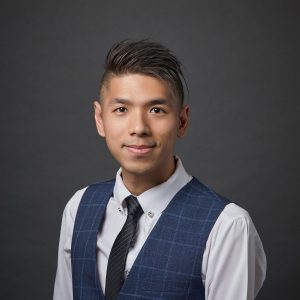
Co-investigators
Mr. Albert Wong is a lecturer at the Centre for Applied English Studies at the University of Hong Kong. He is the Coordinator for Communication Support Services for CAES, and the Deputy Programme Coordinator for CAES courses for the Faculty of Dentistry. He is responsible for developing materials on reflective writing for the Dentistry courses.
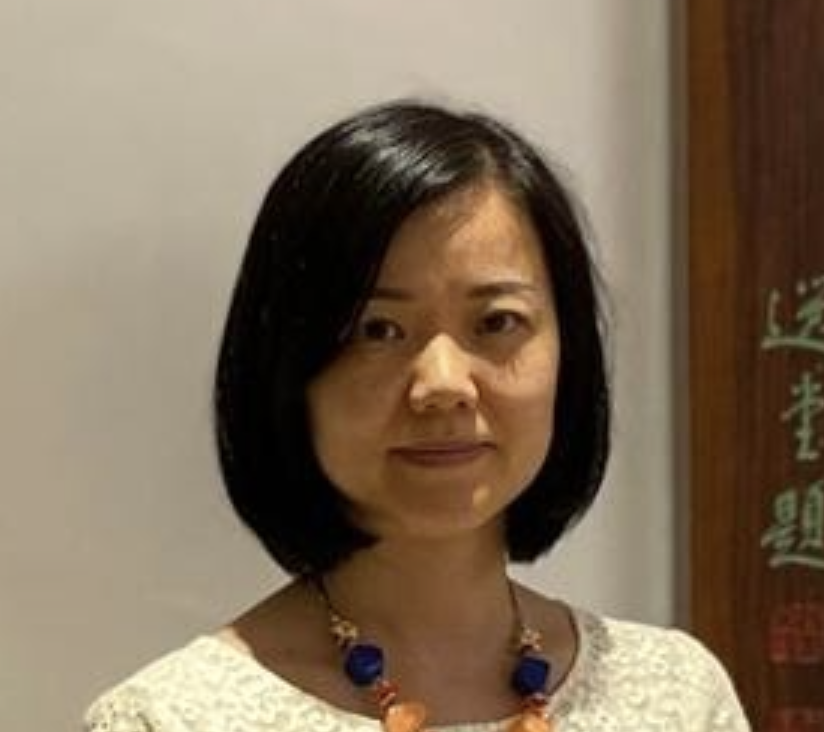
Dr. Alice Sze is a lecturer of CLEP. She is also a host of a radio programme at RTHK for more than a decade, Worldbook (大地書香), with aim to promote the cultural of reading and the awareness of education and development.

Dr. Letty Chan has been teaching English-related courses in various universities both in Hong Kong and the UK since 2007. Prior to joining the Centre of Applied English Studies at HKU in 2019, she was a teacher educator, teaching TESOL methodology courses to pre- and in-service English teachers. She is now teaching undergraduate and postgraduate academic literacy courses, focusing mainly on the medical-related courses. Currently, Letty is a deputy programme coordinator of English courses for Faculty of Medicine and Faculty of Dentistry, and she is also a teacher coordinator of a dissertation writing course for medical postgraduate students.
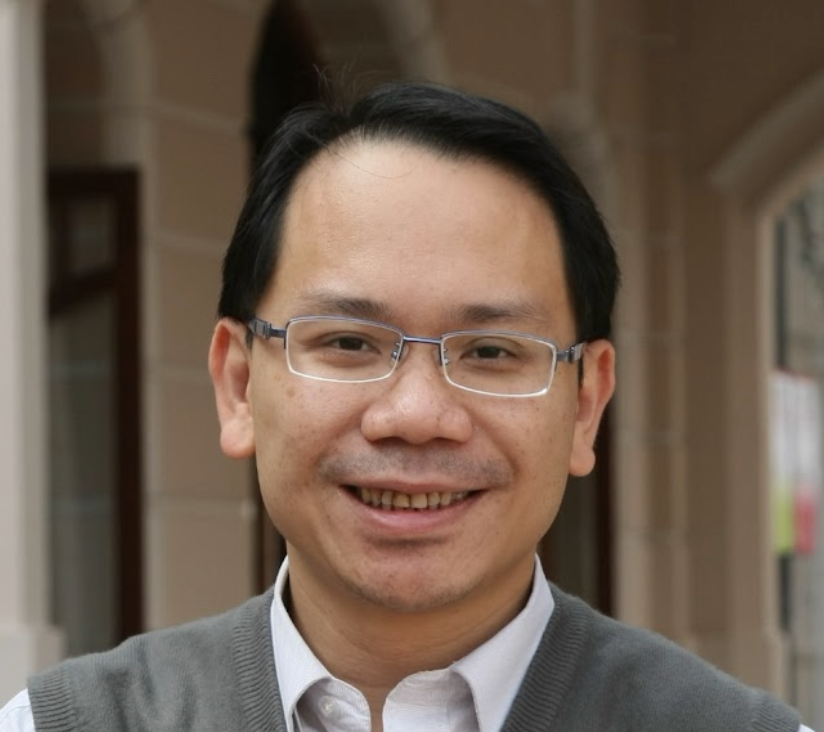
Dr. Vichy Ho joined the University in 2000. He is the Course Coordinator of two language courses. He is the awardee of the University’s Outstanding Teaching Award (2018-19) and the Faculty Teaching Excellence Award (Arts Faculty) (2011-12). He completed a TDG project as principal investigator in 2018-19 (Flip, not flop).
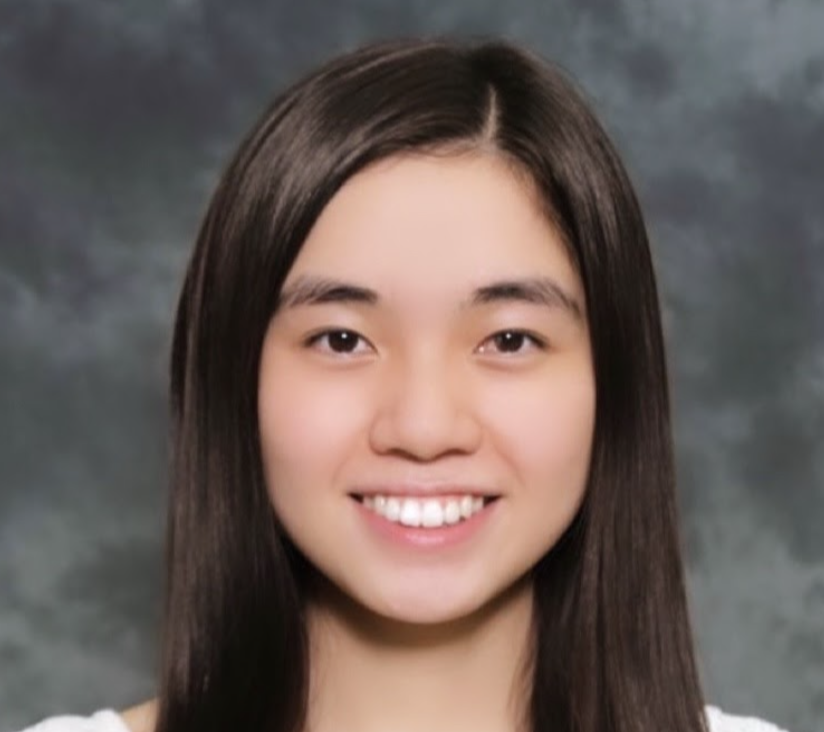
Research Assistant
Chan Ho Yee, Piyo is a final-year student studying English Education at the University of Hong Kong and she has been working with us since June 2021.
Personal Description
I am a Year 2 Nursing student, who is good at communicating and cooperating with others. I am not proficient in languages, so I participate in this programme. I was confused and frustrated at the beginning, but gained more understanding of the nursing career after this programme.
English Reflection
Nurse- An unforgettable communication experience as a nurse student in an elderly home
Nursing care plan, which refers to a procedure when nurses recognize the potential needs or risks of patients, is a fundamental clinical skill in nursing. Such a plan also provides a means of communication among nurses, clients, as well as other health care providers to achieve healthcare outcomes. During a first-year undergraduate course titled Health Promotion and Education, I got a golden opportunity to interview a real client who was living in an elderly home. By interviewing this client who was ill and had different needs, it not only changed my perception and attitude towards life but also raised my awareness of the active communication required for these patients in our society. There were unforgettable and treasurable experiences that changed my perspective towards the healthcare profession. In this essay, I aim to reflect on my learning experience when I visited this patient. Using Gibb’s cycle (1988), I will start by giving a brief description of the event, followed by my feelings and emotions towards the circumstances, along with an evaluation as well as an analysis of the incident. Alternatives and action plans will also be provided in this essay.
In a cloudy morning in March 2021, I had a marvelous opportunity to interview a client who was living in an elderly home and was suffering from the chronic disease of hypertension. I felt slightly anxious as this was the first time that I had the actual practice outside the school. After telling the client I would ask him some relevant questions, I started using my skills that I had learned from my major course to assess the patient’s needs and risk factors. I avoided the use of fillers and used effective body language such as maintaining positive postures and avoiding facial expressions to show respect for him. During the procedure, I asked him some questions (by using COLDSPA) in order to collect and analyze data to gain a holistic understanding of the patient. For example, I used a questionnaire to elicit his medical history and demographic information. I could then identify the patient’s physical, emotional, psychosocial, and spiritual needs.
The client was cooperative during the interview, but as I sensed his reluctance in answering some questions such as the daily diet intakes, I felt a bit frustrated and distressed. I had to ask him “skillfully”. For example, I tried to ask him open-ended questions instead of closed-ended questions. Besides, I was asking him some following up questions when he talked about his daily routine. I was then able to understand his needs and feelings. I knew that, at that moment, I could build trust and rapport with the client, and he was trying to reveal more of his situation to me. However, I was not aware of him looking poorly. He was indeed feeling sick and unwell, but I just kept asking him a series of questions. When I thought the procedure was going well, the patient suddenly fell unexpectedly due to the high blood pressure. I felt extremely flustered and confused as my mind was blank for a moment. As the patient had no breathing, I tried to find a teammate to seek help from the supervisor and I immediately used my cardiopulmonary resuscitation (CPR) techniques that I had learned from school to help him. Fortunately, the patient finally regained consciousness after that. Luckily, the formidable task was done and I was able to gather a great deal of useful information that could help me to move onto another nursing process which was nursing diagnosis.
In retrospect, there were both strengths and weaknesses in my performance during this visit. For strengths, I felt that the treatment went as expected and the action taken was successful initially. I was able to identify the client’s health problem (which was hypertension) and implemented the nursing interventions for him. For example, as the client complained that he could not control his appetite, I decided to set a reasonable goal with the patient by discussing this with him in a friendly tone, treating him as a friend. With his approval, I decided that the goal was to lower the patient’s A1C with better diabetes management. As for my weaknesses, I found myself struggling to decide and hesitating when I realized that the patient was reluctant in answering my questions. I also did not inspect his health status from his face and behavior. If I had done that earlier, I might have noticed that he was about to faint.
To me, nurses play a supporters’ role to deal with patents’ comprehensive problems. Although the patients might feel discontent and annoyed concerning their illness, what we need to do is to reassure and comfort them as much as we can. Despite the challenging situation, effective communication between clients and nurses is necessary since we can know more about the patients’ actual feelings. For instance, if the client was suffering from the disease but not receiving any love and care from us, they might feel distressed and despair. Effective communication and genuine care can be catalysts for clients to maintain their well-being and mental health. After this incident, I have begun to understand the importance of active listening. When we are seeking information from them by active communication, patients are more willing to express their feelings and discomfort. In contrast, the lack of interactions and practice with real patients may lead to apprehension and cluelessness in the hospital and clinic.
As a nurse, we also have to use our critical thinking to consider what we can do to assist and cooperate with other healthcare professionals to identify the clients’ situations in the early stage. For instance, through the use of nursing care plan, we can use utilize some data, patient feedback, and clinical judgment to form nursing diagnoses. If we recognize some health problems (e.g., insomnia and acute pain which can be tackled without physician interventions), we can act as a mediator to help relieve the physicians’ workload.
In summary, although the patient in this case was cooperative most of the time, he might have concealed his health problem as he might not have wanted to receive further treatments. Hence, when facing these undesirable aspects, the appropriate way of communication was to assess the patient’s health status responsibly. If I could interview the client again, I would try and be more sensitive as well as comprehensive to his needs and prepared myself better beforehand. For example, I would prepare some common Q&A questions and researched some useful information related to his health problem, and I’d imagine myself being much more willing to confront the challenge. In addition, I will consolidate my knowledge and skills in comforting others by reading relevant studies and attending workshops such as the Mental Health First Aid course offered by St. John. Not only that, developing some useful clinical notes to record experiences of handling unusual cases would be a useful venture.
References
The University of Edinburgh. (2020, November 11). Gibbs’ Reflective Cycle.
https://www.ed.ac.uk/reflection/reflectors-toolkit/reflecting-on-experience/gibbs-
reflective-cycle
Therapeutic Communication Skills (Client Care) (Nursing) Part 2. (2015). What-When-How
http://what-when-how.com/nursing/therapeutic-communication-skills-client-care-nursing-part-2/
Chinese Reflection
寫給五年後自己的一封信
親愛的自己:
你,還好嗎?我是五年前的你,你現在的生活是不是很好呢?光陰似箭,日月如梭。五年後看到這封信的你相信經已甫踏足社會,成為一位獨當一面的白衣天使,秉承我校「明德格物」之原則,在醫護界中默默耕耘,體現民胞物與之人民精神。可是,當你在回饋社會,為社會發展略盡綿力的時候,請你勿忘初衷,不要忘記五年前自己剛踏入大學時的那份幹勁。你還記得嗎?你曾在一年間不但孜孜不倦地鑽研與護理相關的事業和知識,更不忘在閒餘時間抽空參與義工服務回饋社會,為的只是背起身為護士的那份責任感。
你還記得嗎?五年前的你還是一位初出茅廬,入世未深的護士學生。只從學校學了寥寥可數護理技能的你卻直接報名參加由聖約翰救傷隊所籌辦的探訪長者之間活動,何哉?為的只是希望及早累積護理經驗,為日後工作早作準備。
你還有印象嗎?你在那次活動的主要職責是為長者們量度生命表徵以及根據他們的情況為他們度身訂造一個全面的護理計劃。由於這次是你首次把所學知識學以致用,你也許在活動開始時感到戰戰兢兢,可是當你知道這次活動的機會千載難逢時,你亦懷着躊躇滿志的心情開始為長者進行檢查。
你應該知道,身為護士,我們擔任照顧病人的角色,面對生老病死的問題屢見不鮮,故當我們看到他們患上惡疾而感到顰眉蹙額、頹靡不振的時候,身為護士,我們的噓寒問暖儼如治病的靈丹妙藥,能使他們從忐忑不安之中得到慰藉。正如五年前的你在活動中為長者量度生命表徵時,發現他們的血壓及血糖指數偏高,於是你在制定護理計劃時婉轉地問他們的作息及飲食習慣,務求能為他們作出適切的幫助。從這時開始你知道仁民愛物之人民精神,為長者服務時,必須將心比己,設身處地了解他們真正的需要。
你應該明白,作為一位稱職的護士,五年前的你已經知道團隊合作的精神是不可或缺,有着千絲萬縷之微妙關係。你曾經都是踽踽獨行,認為自己一個人能把所有的責任都肩負着,把所有事情都由自己完成,可是你沒想到,每一個錯誤的決定都會影響病人的性命。你曾經在照顧一位病人的時候忘記為另一位躺在病床的病人量度生命表徵,使他因血壓過高而倒下。你心情猶如被沉甸甸的千斤墜壓下般惴惴不安。自此之後,你了解到團隊合作的重要性,即使面對各式各樣的情況,你也要瞻前顧後,並與其他醫護人員合作,以保障病人的安全為主要原則。
你應該還對那位病人的說話感到印象深刻吧。當時因為失職使病人倒下而內心感到懊悔不已的你在活動完結後親自前往醫院探望他,正當你認為他會對你出言不遜的時候,他卻用他那充滿皺紋的手緊握着你,並說到:「我並沒有打算怪責你,反而感謝您抽空為長者無私付出,希望你能秉承明德格物的精神,化作綿綿雨水春風化雨,使病人得到慰籍。」當聽到他感人肺腑的一番說話後,那時的你頓時感到無比蕩氣迴腸,並從那天起致力成為一位出色的護士,默默為病人服務。
「其路漫漫而修遠兮,吾將上下而求索」驀然回首,大學一年之時光轉眼之間已經娓娓道來。在這年間所經歷的事仍歷歷在目,你大學所學的不僅是之乎者也的知識,更重要的是你學會了殷海光先生所提倡的真善美知道的理想。正如校訓「明德格物」此言雖為老生常談,實為顛簸不破之論。五年後的你或許會在工作路上屢屢受挫,正當你感到前路堪虞,顛沛流離的時候,請你緊記當天所發生的事,勿忘初衷!那一切都會否極泰來、迎刃而解。
祝
工作愉快
五年前的你謹啟
二零二一年六月三十日
Final Words
This programme had provided me with substantial knowledge about reflective practice like description and evaluation. What I had learned is trying to pay critical attention to the practical values and theories which inform everyday actions, by examining practice reflectively and reflexively. Moreover, I also gained a deeper understanding of my future career.
Personal Description
An IT Engineer who is pursuing a career of nursing.
A germaphobia who is going to “get his hands dirty”.
Everyone has multiple roles and identities, be they complementing or conflicting one another, and that makes everyone, including this particular person called Derek Tsang, unique and special.
English Reflection
Students at The University of Hong Kong are required to complete several Common Core Courses (CC), which cover such fields of studies as Sciences, Arts and Cultures. While I thought I neither enjoy nor be inspired by the courses just because they were nothing related to my nursing studies at first glance, they were indeed very informative. I could be familiar with foreign beliefs and values, be they confirm or challenge my own perspectives, and gain insight to my own profession — Nursing.
One CC course that I took in my first year was “Some We Love, Some We Eat: Human-Animal Relationships in the Global Marketplace”, discussing the anthropocentric issues behind animal exploitation. In one lecture about Animals in Science, examples of laboratory experiments involving animal subjects, typically small-size mammals like rats, were introduced. The fact that those test subjects have been paramount to our medicine’s triumphs, and that elixirs could not be made without their sacrifice were appreciated by both teacher and students. Yet the experiments are unethical as the subjects are often euthanized whenever the test does not go as expected or they are no longer needed. “Why animals but not humans? Are we entitled to exploit them only because they are insignificant and easy to breed?” raised by the lecturer at the end. I unconsciously thought about the question that has been entangling my mind in confusion since I had learnt the concept of patient-nurse relationship from my major courses. Patients could be nurses’ patrons, clients, or subjects, depending on how a nurse interpret the nature of his duty. As an aspired nurse, I believe we are friends, at least I hope we could have a pleasant time respecting each other during their rehabilitation periods. This is because conflicts could be curtailed only with the premise that I uphold my professionalism (Australian Institute of Business, 2015).
We have those elixirs, thanks to the test subjects, to cure many known diseases, yet it is far not enough for us to create a “paradise”. The deadliest diseases, such as cancer, cardiovascular and neurological diseases, are still irremediable, or we do not know how to cure them at the moment. In reality, known from my nursing studies, we provide target medicine, oftentimes still under clinical trial, to some severely ill patients. This is similar yet at the same time different from animal experiments. That said, it depends on how the patient think about it. Although we never know how the medicine would act inside a patient’s body and what we should do if the situation goes astray, it is the best and quickest method to determine whether the medicine is effective, and if yes, patient’s illness could be immediately tackled.
It is definitely not the nurses’ role to decide or to prescribe medicine to patients, but nurses are responsible for the daily administration of medicine, caring and soothing of patients’ both physical and mental status. Consequently, what and how we perform in front of our patients are of the utmost importance, as it reflects our attitude towards the duty of caretaking. In many dramas and films, either uncharitable nurses or demented patients are portrayed. This is true to some extent, from both personal and relatives’ experience. It is distressing to realize such hostile environment in the clinical settings, regardless of how common it already is. As a third-party with brief nursing knowledge, I understand both stakeholders’ difficulties and struggling. They are of the same kind, with emotions to be broken down by despair. I, however, could and should never force others to take them into account as it would presumably backfire on the relationship. Instead, I should attempt to prevent conflicts in the first place.
If I were a patient, albeit there is no “what-if”, I would be thankful to the practitioners for them to handle a large number of patients relentlessly, given that their duties require high level of skill and concentration. On the flipside, if I were a nurse, I would not spare no effort to maintain my professionalism no matter how exhausted I was as it would be detrimental to my reputation and credibility. Practice makes perfect, but sometimes when procedures become habits which you would not think of yourself making mistakes, abnormalities might then be overlooked, resulting in flaws. Likewise, we often miss some fundamental procedures that might not seem to be but indeed critical to our completion of assessments notwithstanding the fact that we have endeavoured to memorize and excel in the tasks. No one, including the professionals, could proclaim that he would not fail. Failure is never a sin, but a “bookmark” for us to glance back at the things worth paying extra attention to. What I could do is to focus on the uncertainties, the things that could go wrong, rather than importuning for the certainties, the things that would not go wrong.
Patient-nurse relationship is built upon trust, and as the saying goes, “Trust is the easiest thing in the world to lose, and the hardest thing in the world to get back”. One insubstantial mistake could blemish a patient’s expectation for my professionalism and hope for their recovery, and I should be held culpable for patients’ disappointment to me, if not the whole health care system.
The School of Nursing advocates nurses to have competence in their profession. “Competence” is defined as the “ability to effectively demonstrate a set of attributes, such as personal characteristics, professional attitude, values, knowledge and skills” (Takase & Teraoka, 2011, as cited in Fukada, 2018). It is therefore crucial for me to delve into the appropriateness of my actions as these describe how I am in others, in this case our clients and patients, eyes. I should bear my commitment to nursing in mind and be determined to execute them lest our clients and patients be disheartened.
References:
Australian Institute of Business. (2015, September 1). 3 Reasons Why Professionalism Is Essential In The Workplace. Australian Institute of Business. https://www.aib.edu.au/blog/organisations-culture/3-reasons-professionalism-essential-workplace/
Fukada, M. (2018, March 28). Nursing Competency: Definition, Structure and Development. The National Center for Biotechnology Information. DOI: 10.33160/yam.2018.03.001
Chinese Reflection
醫者仁心,聽診的,救人的,被感謝的也是醫生。在病人以至家屬的眼中只有醫生,這是很多劇集,電影情節都不約而同地承認的事實。但在現實世界的醫療體系中亦存在無數的無名英雄,沒有專科治療師,藥劑師,護士,醫生根本無法醫治病人。或許病人不明白,但只要病人能夠康復,無憂無慮地走出白色巨塔的大門,他們的重任便已達成,功銜什麼的都不再重要。
護士的本份是協助醫生,照顧病人。為瞭解多點醫生的成名之路,我在四月後旬作為護士助手報名參與了今年內外全科醫科生的最終的藥理考試,負責協助六個評核站其中之一的道德倫理站外的運作。在這站,醫科生會遇到一個情景題--一位因缺血性中風而需服用薄血藥卻又因藥的副作用而出現出血性中風致昏迷不醒的病人。劇情峰迴路轉,考驗的是醫生對於病人家屬(演技精湛的演員)晴天霹靂的反應的臨場應變,以及向其解釋及建議簽署拒絕心肺復甦術的手段。標準答案我們不學無術,但我知道在真實情況下醫生旁應有護士陪同,若那位是我?面對這難題,我應向家屬講解決定的利弊?不可。與醫生退「庭」商議?不可。站内一整天不停重複這個情景,我漸漸掌握「答題技巧」,正所謂「多個人多個腦」,將來有經驗的我或能擔當醫生的參謀。但面對家屬激烈的控訴,我不太有膽量「插嘴」。或許我可做的不多,只能在角落稍稍開解家屬,作為中間人控制雙方爭辯的節奏。
在旁另一個呼吸道評估站分別有幾位真病人,其中一位下午開始不停咳嗽而要休息,但後來狀況沒有好轉,更要連接血壓機監察情況。考試期間除我站内模糊沙啞的人聲外一片寂靜,房內血壓機的聲音卻嘟,嘟的有規律地,格外清晰地響著,像極了病人的心跳聲,似是永無止境,又可能隨時消失,叫人心煩。不安的我詢問負責該站的護士前輩(五年生),他指:「你也聽到病人說他沒事,長期病我們也做不了什麼。」
究竟是因要尊重病人意願而不可,還是因會節外生枝而不願?這問題盤旋心中良久。要視若無睹,我可過不了良心大關,我或更會攔著病人並拖他到醫生那處。但我相信這多少會違反醫院守則,真是何等諷刺。
當天的考試已達尾聲,我看著那位咳嗽了大半天的病人一拐一拐的離去,心裡感到憂心。隨後是病房負責人的呼叫:「辛苦大家,離開前請幫忙收拾……」
真的就這樣完了嗎?
我踏出醫院大門,天色已黑,夜闌人靜,只見有位坐着輪椅的老人與其看護者在車站等待,也是要離開了。
他,是出院了嗎?
他,已康復了嗎?
我,不知道…… 我希望答案是「是」。
Final Words
There is a saying that goes “Jack of all trades, master of none”. Nonetheless, through this reflective programme, it is acknowledged that although perfection is often far-fetched, excellence is never, and all it takes is one single step, a step forward to believe that you could always do better.
Personal Description
I am Paco, a year-two student studying Nursing at The University of Hong Kong.
English Reflection
What immediately springs to your mind when it comes to a manikin? I believe many people would not have thought that the use of a manikin in a nursing school could be quite important. In addition, the manikins at HKU, School of Nursing are not ordinary. To be honest, I was rather shocked when I was told to deal with a manikin that can talk and move in the first place. In this reflective essay, I am going to evaluate my first experience of treating a “patient”, and the way I supposed to make use of the experience to sharpen my clinical skills in order to become a better and qualified nurse in the future.
Year 1 was certainly a challenging year for me under the overwhelming condition of COVID-19. Around 80% of the classes were reorganized into online sessions. I could barely have the chance to meet my fellow classmates, teachers, and professors. However, in semester 2, a particular component of the course, Health Assessment, was an assessable item, and marks awarded would contribute to the final grade. This component required students to have extensive medical knowledge and clinical skills to complete. I was curious and worried at the same time when I first saw the item shown in the course manual. Despite my worries, I did not really spare time to prepare for this specific activity which played a part in my final grade because it would be happening in April, and I still had to deal with lots of assignments and presentations at the beginning of the semester. However, if I was given another chance, I would not have treated the item like this. The experience indeed required lots of knowledge from my studies.
The assessing item was a mock clinical experience with the use of a high-fidelity manikin. Just a few weeks before the assessment day, Dr Kong, the course coordinator, said this item should be easy for most of us as students only needed to apply what they had learned from the course. Therefore, I believed the task should not be very challenging. I did not start preparing until the very last minute. Frankly, I tried to cram all the lecture notes and videos right before the assessment time. It was probably a wrong decision.
The doomsday eventually arrived. We were asked to work in a group of 4 and were given 5 to 10 minutes to prepare for the scenario after receiving the question paper. In the question paper, the setting was set to serve the manikin, named Apollo, who was given a background – 55 years old man, retired, encountered headache, faint, and discomfort over his chest after getting hit when playing soccer, and we would have 20 minutes to perform some medical procedures. We all were so anxious and confused during the preparation time as it was the very first time we were engaged in an activity like that. However, we were supposed to stay calm and devise an organized blueprint of medical procedures. Only a very rough plan for the division of work was formulated afterward.
After the clinical tutor started the timer, my hands were shaking and sweating when I was holding a pen and the vital sign chart. Although I felt unnerved during the performance and the entire procedure did not undergo very smoothly, we were able to complete basic actions like conducting some health-history taking by asking Apollo questions and recording his vital signs, such as the pulse rate, respiration rate, and blood pressure level. It was my belief that we had successfully applied what we have learned when we followed the steps listed in the lecture notes.
Suddenly, Apollo’s condition deteriorated with severe discomfort and dizziness. We all panicked at that moment and remained standing and looking into each other’s eyes. I did try hard to recall my memories from lecture notes but in vain. I literally had no idea what I should do when coming across a situation that was not mentioned in the question paper. Our plan did not include the solutions to unexpected incidents. Apparently, we lacked communication when we were trying to figure out why Apollo’s condition became worse only on our own but no discussion.
The clock was still ticking, and we still had not done anything constructive or beneficial for Apollo. Our clinical tutor had stepped forward and asked, “What is the major cause of a patient feeling dizzy?”. Meanwhile, “and the last thing a professional nurse should do is to stand still next to the patient doing nothing” she added. To respond to her words, the best solution I could think of is to examine the patient’s blood glucose (BG) level. We immediately checked his BG level and found that the level was abnormally low. After that, we decided to inform the doctor using the phone in the ward in no time before the session drew to a close.
I thought we derailed the procedure because our performance was not smooth and in the correct order. We even needed an additional reminder from the clinical tutor. Surprisingly, the tutor praised us for contacting the doctor at a right and prompt time during the debriefing period.
I pondered over the tutor’s comments afterwards with reference to a common myth that clinical experience is the most important element for a nurse. However, in the era of the 20th century, clinical experience and academic medical knowledge are equally important for a professional nurse. In retrospect, we would have coped with the aggravated situation of Apollo more efficiently and effectively if we had studied harder to better understand the signs and symptoms of several illnesses and the causes of those signs and symptoms. This would have been the only adaptative way to handle patients’ various unexpected conditions.
To better prepare for similar activities or clinical experience in the future, I must study a lot harder, and plan for unexpected incidents. Above all, communication is the key to success. I believe I should take initiative to engage the team in a discussion so as to establish an ethos of collaboration to avoid as many mistakes as possible when unexpected incidents happen on a patient. As a nurse, we should realize the truth that cooperation is always necessary. At the end of the day, most current unexpected things would become expected if we have gained enough experience to become competent medical practitioners. Even when we encounter any unexpected cases, we still need to stay calm and do not panic. Collaboration and discussion will always help.
Chinese Reflection
《上莊》
去年十月,我參加了一個由香港大學學生會醫學會健康委員會所舉辦的「招莊茶聚」。顧名思義,就是當時的委員會成員為了招收繼任人,延續「健委會」的助人精神和宣傳健康意識的使命,薪火相傳而舉辦的一項活動。當時的我就為了自己的大學生活加添色彩,同時也相信加入健委會能對自己未來的職業生涯起一個正面作用。於是,我便把心一橫決定報名成為來年健委會的一份子。
數月後,我成功獲委任為健委會中的健康委員,是會中的領導。不久,我和其他委員 – 「莊友」便要籌備本任期的第一個活動。
這個活動是一次為長者和公共屋邨居民而設的健康檢查。我們這次就選擇了沙田博愛邨中一個露天籃球場來進行是次的活動。中午時分,有一對踏入花甲之年的夫婦攜手步入我們所搭設的營帳之中。他們的笑容徐徐綻放,似乎十分熱情。他們名叫何伯和明嬸,兩人興致勃勃地走過來問我們:「是不是有免費的身體檢查?」我回答:「對啊!」之後,我便請他們稍移玉步到登記的攤位中進行簡單的登記工作和防疫措施。
不久,在他倆做畢所有防疫措施及量度身體質量指數 (BMI)後,他們就走到我所負責的一站。我所負責的一站便是量度血壓。
當我為這對夫婦完成簡單的說明後,便開始為他們量度血壓。誠然,為老人家作任何的醫療程序實屬不易。加上,我們所用的血壓計亦非現代社會醫院中所用的電子版本,反而是最傳統的,仍要人手泵氣和水銀計的那種。故此,在使用此類型的血壓計必須花額外的專注力。不過,何伯和明嬸一直嘗試跟我聊天,我沒有特別理會,只掛上勉強的笑容。
過了數分鐘左右,我仍未能為何伯量度出準確的血壓,我終於忍不住,說了聲「麻煩靜一靜!」頓時,氣氛變得尷尬,場面也變得相當死寂。何伯和明嬸不快的表情表露無遺,同時,他倆亦掛上了一副內疚的面貌。那刻,我心知不妙。幸好,在場比我高年級的大師兄走了過來,為我解圍。大師兄的風趣幽默霎時令氣氛變得輕鬆,老夫婦亦重拾笑容。
送他倆離後,大師兄走了過來跟我耳語了一句:「冷靜些!」。我恍然大悟,我開始反思當初為何會引致尷尬的場面。沒錯,我當時只是為了盡快為何伯量度出一個準確的血壓,但我卻忽略了同理心。有時長者不一定知道自已的行為會妨礙我們的工作,但我們也應該尊重他們,代入他們的處境。假如我們能用一個較好的態度,向他們解釋前因後果,當初的尷尬場面就不會出現。
在是次的經驗中,我學習到溝通的重要性。而且,作為未來的醫護人員,我所缺乏的是一份耐性。在大學未來的4年時間中,我會嘗試在未來的實習或類似的活動中採取較理想的態度對待病人,例如,當遇到棘手的病人時,我會深呼吸,冷靜一下,才繼續進行醫療程序,我會繼續在溝通和耐性兩方下苦功。因為,只有我們採取合適的溝通方式,病人在得到治療時的感覺才會更好。
Final Words
I am really grateful for the chance to participate in this programme.
Personal Description
I am Clara Yeung Yan Yu, a year 2 dental student studying at the University of Hong Kong. I am cheerful, passionate, and easy-going. I am always eager to learn new knowledge as well as enthusiastic about meeting people coming from different backgrounds.
English Reflection
A Reflection on Effective Communication in Dental Care
In the last semester, all year one students were required to participate in the dental hygiene session, in which we were required to take turns to act as patients and assistants to perform a series of dental hygiene operations. I was assigned to be a patient first while my operator was a student dental hygienist. And this experience surely had a great influence on me in terms of the communication aspect of my profession.
I can still vividly remember what happened in the first part of dental hygiene session. Being a patient, I was required to lay on the dental chair and let the operator perform different clinical procedures in my oral cavity. To be honest, I was intimidated by the idea of being a patient myself at first. Since I was chair-bound, I lost my body autonomy and mobility and was feeling helpless and losing control. I was also afraid of the unknown operation being done on me. With an aim to provide an optimal operation field for the operator, I tried my best to keep my mouth wide and stayed still. However, I was not able to continue once the operator started to use some sharp instruments inside my oral cavity. Without prior warning, I suddenly felt a sharp pain around my gum margin, and the pain began to spread from one tooth to another. I was feeling rather unpleasant, partly because of the pain, and partly because I was not mentally prepared. My tear gland became uncontrolled and there were tears coming out. In retrospect, I knew that the operator was performing depth on probing, in which a sharp periodontal probe was inserted inside the periodontal pocket to check its depth. Yet, back then, I had no idea what was happening inside my mouth. And being overwhelmed, I decided to communicate with my operator by expressing my feelings with her as well as requesting her to tell me what was being done inside my mouth. After the talk, my operator had changed her style and started to inform me what was being done as well as checking if I was uncomfortable from time to time. With the changes, this session become much more endurable and enjoyable for me, even when more pervasive procedures such as scaling were performed later. Even though the operations remained to be quite painful, I was informed and prepared so the pain was acceptable. Looking back, I was wondering what my operator was thinking during the session as I will be performing similar procedures later. Would she be nervous? Or, would she feel superior to others for being in control of the situation?
After attending this dental hygiene session and being a patient myself, I have come to a realization that communication is the key for performing different clinical procedures. The receiver of the whole process is the patient, and he or she is the only one who can experience the pain. While the operator cannot know what the patient is experiencing or feeling without mutual communication, he or she can receive feedback and try to make changes on their operation in order to make the whole process more pleasant. They can also inform the patient what is going to happen to allow them to be mentally prepared and know what to expect. In my own experience, communication surely plays an important role to make me feel more comfortable and less unpleasant about the operation. However, effective communication was made possible through me, being the patient, by actively giving feedback to my operator. Wouldn’t it be better if the operator tried to initiate the mutual communication first?
It is often said that reflection is an integral part of the learning of healthcare professionals, since this can foster the development of self-directed learning skills, motivation and quality of care providing.(1) This experience of being a patient myself has given me an early exposure of my future work and allowed me to reflect upon my learning. Similar situations may happen in the future when performing dental procedures and the only thing changed is my position. This particular event has helped me to have a first-hand experience of the fear of being a patient and enabled me to realize the critical role of communication during the clinical operations. It has taught me to always inform the patient what will be happening inside their oral cavity, to always think from a patient’s perspective, and ask their wellbeing from time to time. This mode of communication seems to be the ideal way which can alleviate patients’ fear the most and make them feel more comfortable. I am determined to provide the most professional service to patients in my future practice.
Reference:
- Koshy K, Limb C, Gundogan B, Whitehurst K, Jafree DJ. Reflective practice in health care and how to reflect effectively. Int J Surg Oncol (N Y). 2017;2(6):e20. doi:10.1097/IJ9.0000000000000020
Chinese Reflection
新冠病毒肆虐一年有餘,科學家終於在今年研發出疫苗。作爲一個即將接觸患者的牙科學生,我決定在上個月注射第一劑疫苗。
雖然我明白這些疫苗早已通過無數安全測試,按概率論來考慮甚至比我們平日坐公交車或者過馬路來得更安全,但即便如此,在注射疫苗的那天,我還是克制不住地擔心自己就是那不幸的少數。前一天晚睡早起的作息更是令我當天整個上午都狀態不佳、精神萎靡。在這些客觀情況之下,我無可避免地感到害怕。幸好,負責協助我們簽同意書的護士似乎感受到了我的緊張,於是詢問我的狀況。在我如實向她表達我的恐懼後,這位白衣天使開始用她的醫療知識以及自身經歷來開解我。她向我解釋當下接種的狀態與疫苗的成效並沒有直接關係,而她前一天晚上因爲倒夜班的緣故,也只睡了4個小時。最後,她更是用一種鼓舞的語氣叫我在完成接種後去買個小蛋糕獎勵自己。在她的勸説之下,我終於做好了心理準備,簽署好同意書,並接種了第一劑疫苗。
當天的心路歷程至今猶在眼前。我由最初的緊張、害怕,以至於後來的放鬆、信任,這全要賴那位護士對我的開解。雖然對她而言或許只是工作上的一段小插曲,但卻消除了我,身爲一名普通市民,對接種疫苗的恐懼。作爲一個未來的醫療從業者,我難免會把自己帶入護士的視角:假如我是她,會因爲我這看似無稽的恐懼而感到不耐煩嗎?會願意多費口舌解釋一些基礎醫療知識嗎?會樂意安撫一下受驚的患者嗎?還是只會例行公事、交差就算?我不禁疑惑自己日後真的能像她一樣嗎?
回想當日,我對那位護士生起了深深的敬佩之情。畢竟安撫我絕非她的職責所在,她明明可以公式化地履行職務,不管三七二十一讓我簽了同意書就算。她甚至可以用嘲諷、不耐煩的語氣來對待我,但全賴於她的同理心,她選擇了多費口舌,嘗試舒緩我的緊張情緒,讓我能更安心地打針。而似乎正是在同理心的作用之下令她選擇了後者而非前者。
相信這種患者面對治療臨陣退卻的場景對護士來説已然是家常便飯,早已見怪不怪。而正是保留著對病人的同理心,才讓護士願意為患者多做一步。相信在我日後的執業生涯中,類似的情況絕不罕見。比方說在拔牙的時候,醫生需要使用器具在患者的口腔內進行一些含有入侵性的手術程序,並造成一定程度的疼痛,患者難免會感到恐懼。在這種情況之下,我希望自己能夠保持敏銳,在感受到病人的不適後,以言語安撫並稍作鼓勵。雖然這些看似只不過是輕飄飄的幾句話,但卻可以很大程度減輕患者的不安,尤其是當患者是小朋友的時候。我希望自己能如當日的護士一樣,保持著最基本的同理心,嘗試永遠從病人的角度出發,理解他們的擔憂並從而釋除疑慮,令他們獲得一個更安心的治療體驗。
Final Words
Through this reflective writing workshop, I have learnt different methods of conducting reflection learning such as Gibbs’ Cycle, which has helped me acquire a systematic way to conduct reflection through my practical learning. After participating in the project, I have understood the importance of conducting reflection after clinical sessions and have begun to incorporate it into my study.
Personal Description
I am Kwan Wing Hei Kelly, a student from the Faculty of Dentistry. I joined this programme with the anticipation of improving my Chinese and English proficiency in terms of both writing and speaking. I also sought to develop clinical professionalism through experiential learning.
Final Words
After the programme, I believe that I have enhanced my writing skills in both Chinese and English with the consultations provided by tutors. I also got a lot of valuable advice and gained new insights after the interviews with dentists and nurses. All these have better equipped me for my profession.
Personal Description
I am Regent, a year 2 dental student. I think I am a dedicated, organized, and innovative person who enjoys trying new things and exploring the unknowns. I am also a team player who is willing to cooperate and communicate with my team. In my leisure time, I enjoy reading books, watching movies, and playing mahjong.
Final Words
After the programme, I find out that both my Chinese and English language skills have improved significantly. Now, I can write articles that are informative and engaging. Also, I have become more confident about hosting an interview as I have learned some communication skills during the programme. I believe the programme is beneficial to my study and future career.
Personal Description
I am Yau Pak Hei, a second-year dental student. I am passionate about dentistry since I like handcrafting. Dentistry does not require only knowledge but also the ability to use our hands to build, carve or shape different structures. This matches my personality hence I have chosen this career path.
Final Words
By completing the programme, I have developed my reflective learning mindset. Reflective learning allows me to rethink my work and decision after a practical session and apply the knowledge in future scenarios. This helps to consolidate my clinical skills learning. Aside from developing profession related skills, my language skills has also been polished after participating in the writing workshops.
Personal Description
My name is Li Pui Yi, Emma, studying nursing at HKU and I am a year two student. Extrovert is the best word to describe my character. I am willing to help others, so I chose nursing as my lifelong career.
Final Words
It is so lucky for me to have a chance to join this program. My English and Chinese level have been improved under the guidance of the teachers. Also, I learnt how to apply the reflective skills in the real life situation and it is very useful for my future career.
Personal Description
Considering myself as an introvert, I enjoy the moment of being alone. Playing with a cat, watching a movie and journaling are all the things I am obsessed with. These provide me with an opportunity to look into my internal feelings, helping to gain a deep knowledge about myself.
Final Words
By writing reflective essays, I realize that analyzing and evaluating our action and feelings can actually improve our performance even if we keep doing repetitive work. Self-reflection is an important skill for a professional. I ensure self-reflect is helpful for me to resolve the critical incidents and avoid making the same mistake twice.
Student Partners
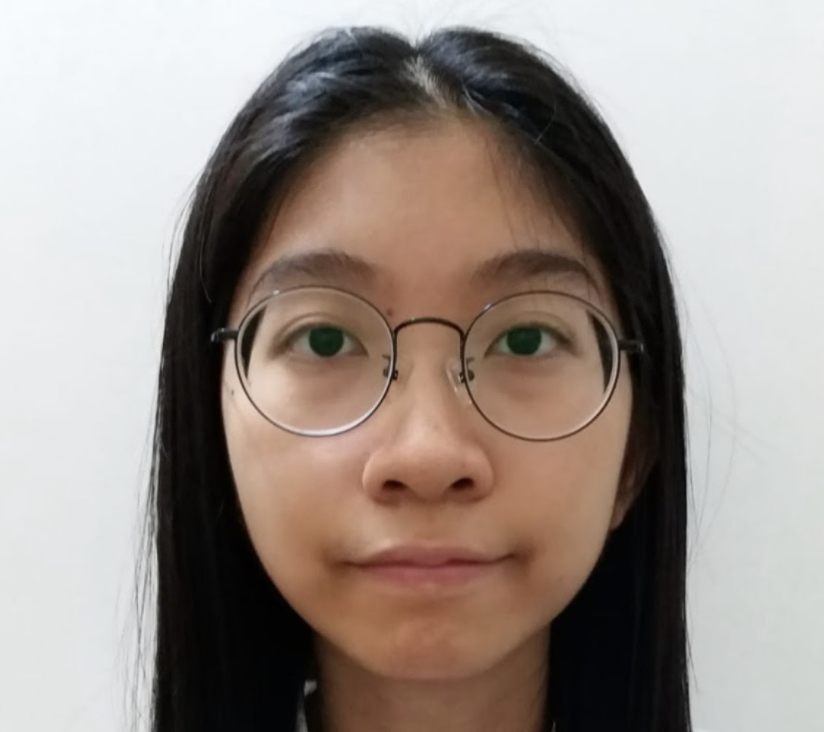
Kwan Wing Hei
Year 1 student, Faculty of Dentistry
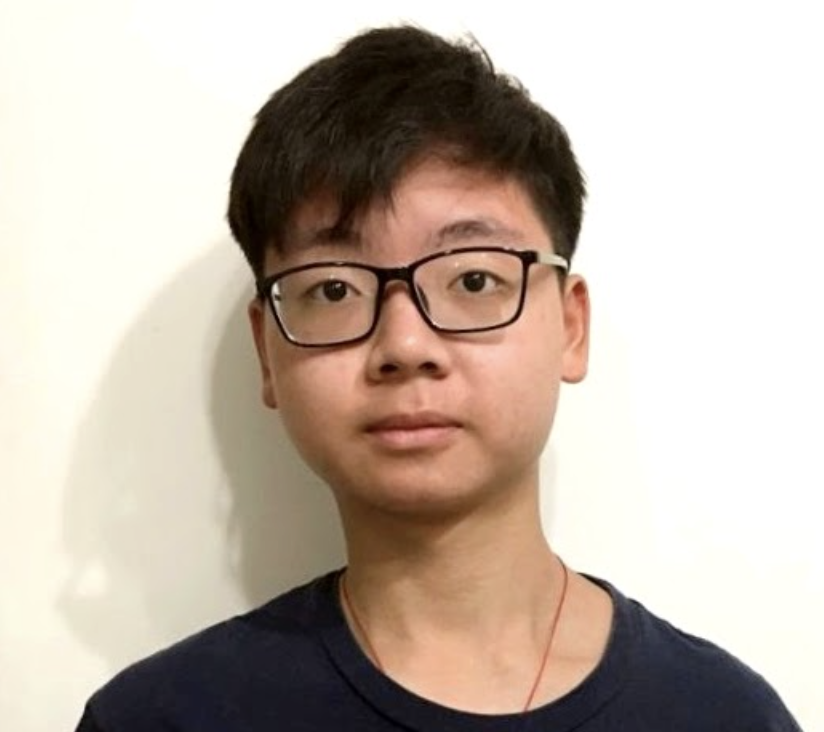
Wong Regent
Year 1 student, Faculty of Dentistry
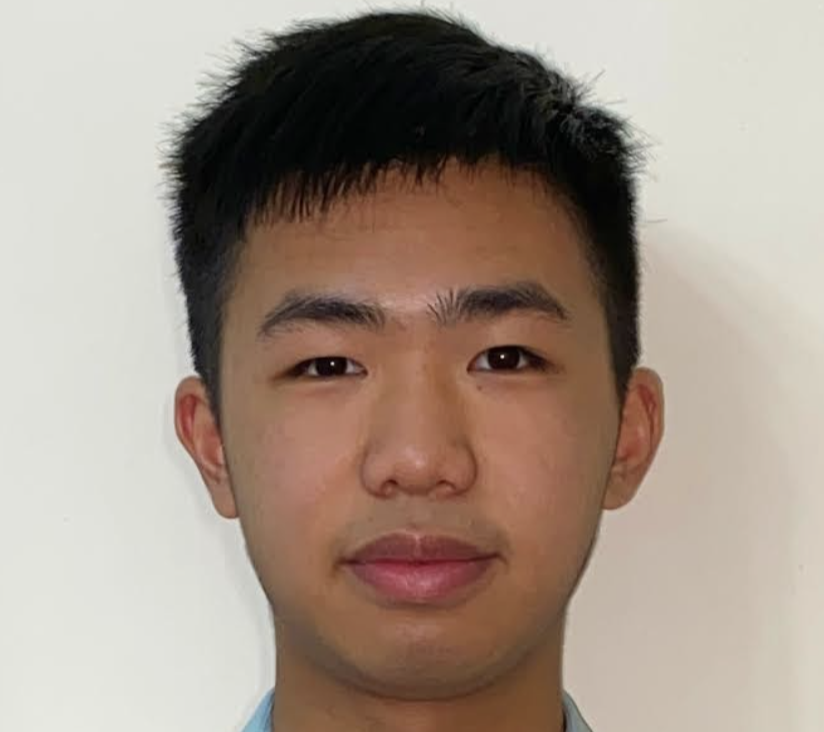
Yau Pak Hei
Year 1 student, Faculty of Dentistry
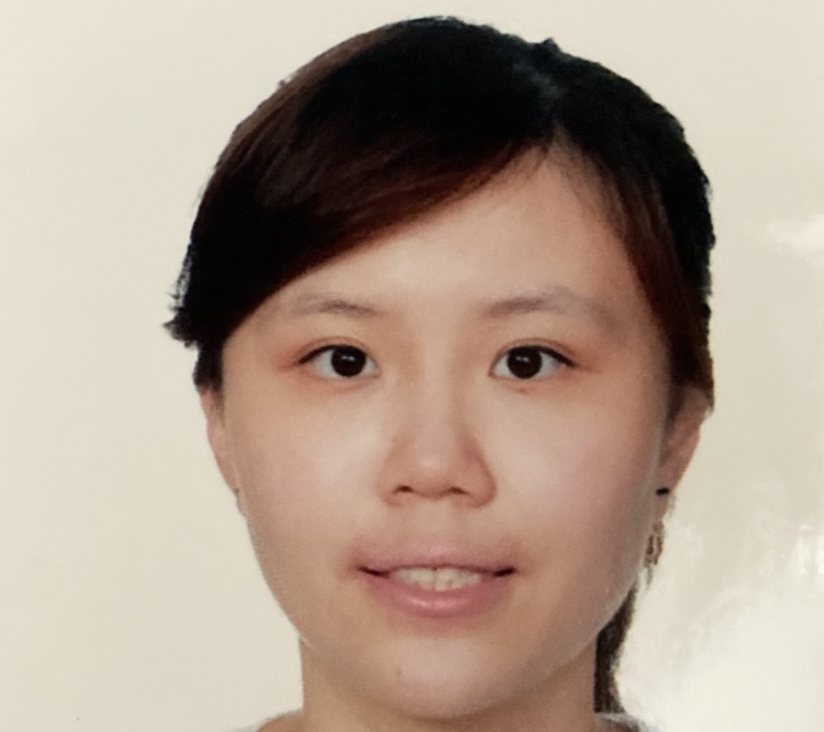
Li Pui Yi
Year 1 student, School of Nursing, LKS Faculty of Medicine
Wong Lam Lam
Year 1 student, School of Nursing, LKS Faculty of Medicine
Student Participants
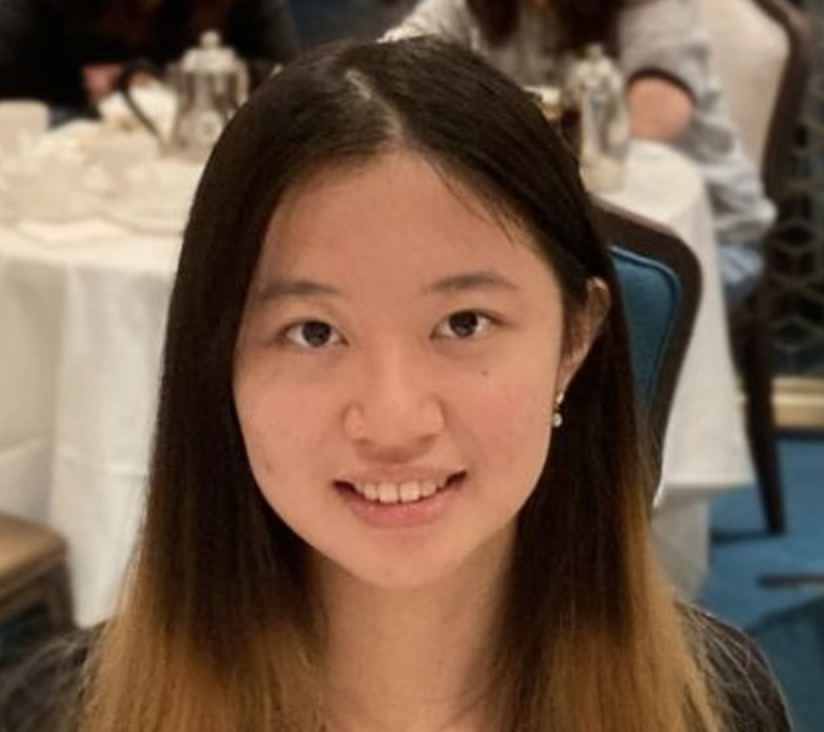
Yeung Yan Yu
Year 1 student, Faculty of Dentistry

Li Kwok Wing
Year 1 student, School of Nursing, LKS Faculty of Medicine
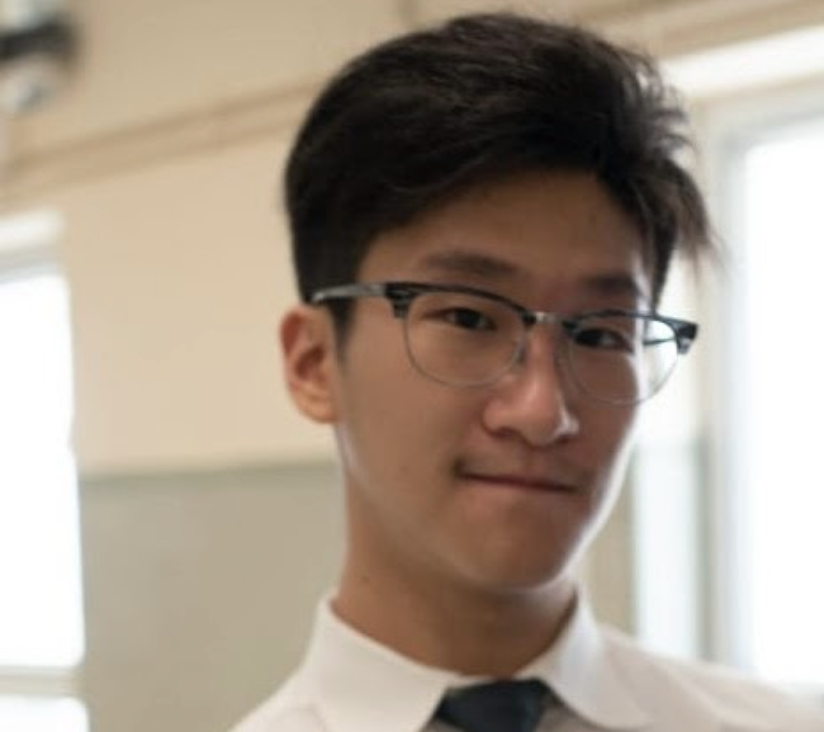
Tsang Hing Lok
Year 1 student, School of Nursing, LKS Faculty of Medicine

Yip Ho Chung
Year 1 student, School of Nursing, LKS Faculty of Medicine